
From Field to Fork: The Meat We Eat & Why It Matters
Discover why hunting and the field-to-fork journey matter—exploring how the food we harvest shapes our lives and values.
Wild game is a big part of life in our home. In fact, it’s so normal to us that I sometimes forget to mention it to guests — a meal of venison, turkey, or other harvested meat feels no different here than beef or chicken might in another household. Around our table, we truly cook what we harvest.
Over time, I’ve noticed people are curious. Is eating wild game really healthy? Do we do it just to save money? The honest answer is both — but it’s also much more than that. Harvesting our own food connects us to where our meals come from in a way a grocery store never can. It encourages respect for the animal, appreciation for the work involved, and a deeper awareness of what we are actually putting into our bodies.
I started learning more about the nutritional benefits because I wanted to understand how this lifestyle was caring for our family, not just feeding us. What I discovered was that wild and responsibly raised meats often provide clean, nutrient-dense protein, fewer additives, and a natural diet you simply can’t replicate in commercially processed foods.
Below you’ll find facts and benefits about the animals we eat — not to convince anyone, but to inform. My goal is simply to share what we’ve learned and help others better understand the food on our table.
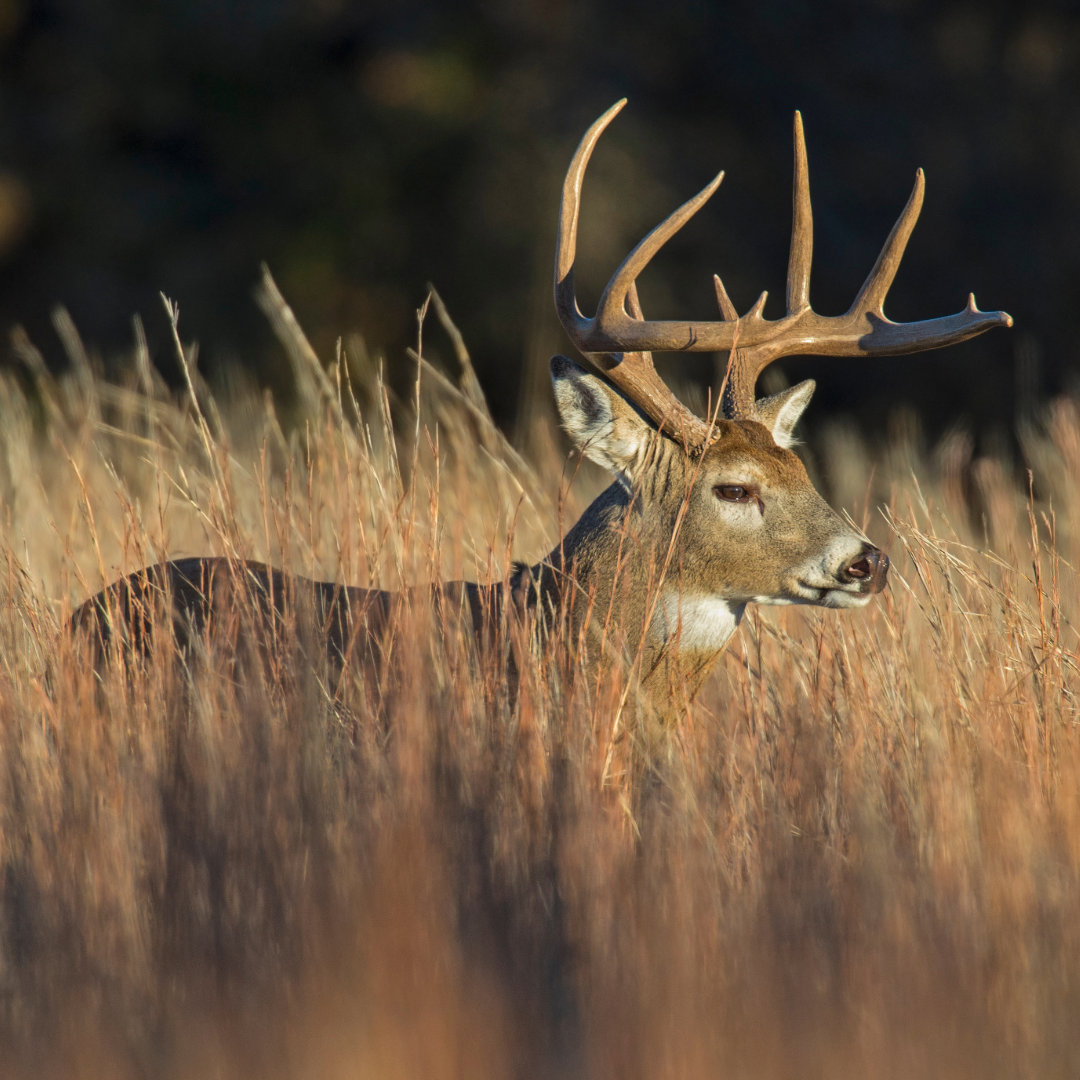
Venison (Deer)
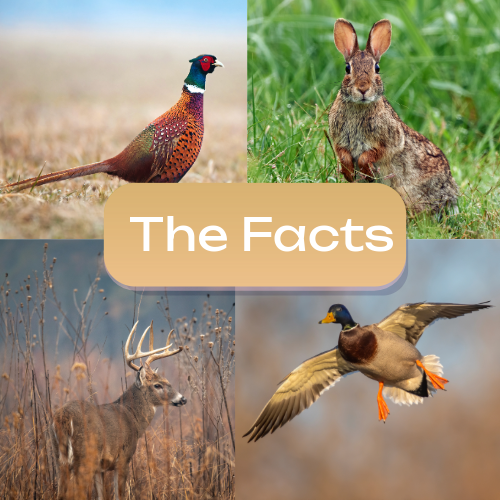
Venison is one of the leanest and most nutrient-dense red meats available. Because deer live naturally on grasses, leaves, acorns, and crops rather than processed feed, the meat is high in protein while remaining low in fat and cholesterol compared to beef. It also provides important nutrients like iron, zinc, and B-vitamins that support energy, muscle health, and immune function. For our family, venison isn’t just about filling the freezer — it’s a clean, natural food source that helps nourish our bodies while keeping us connected to the land and the harvest.
Waterfowl (Duck and Geese)
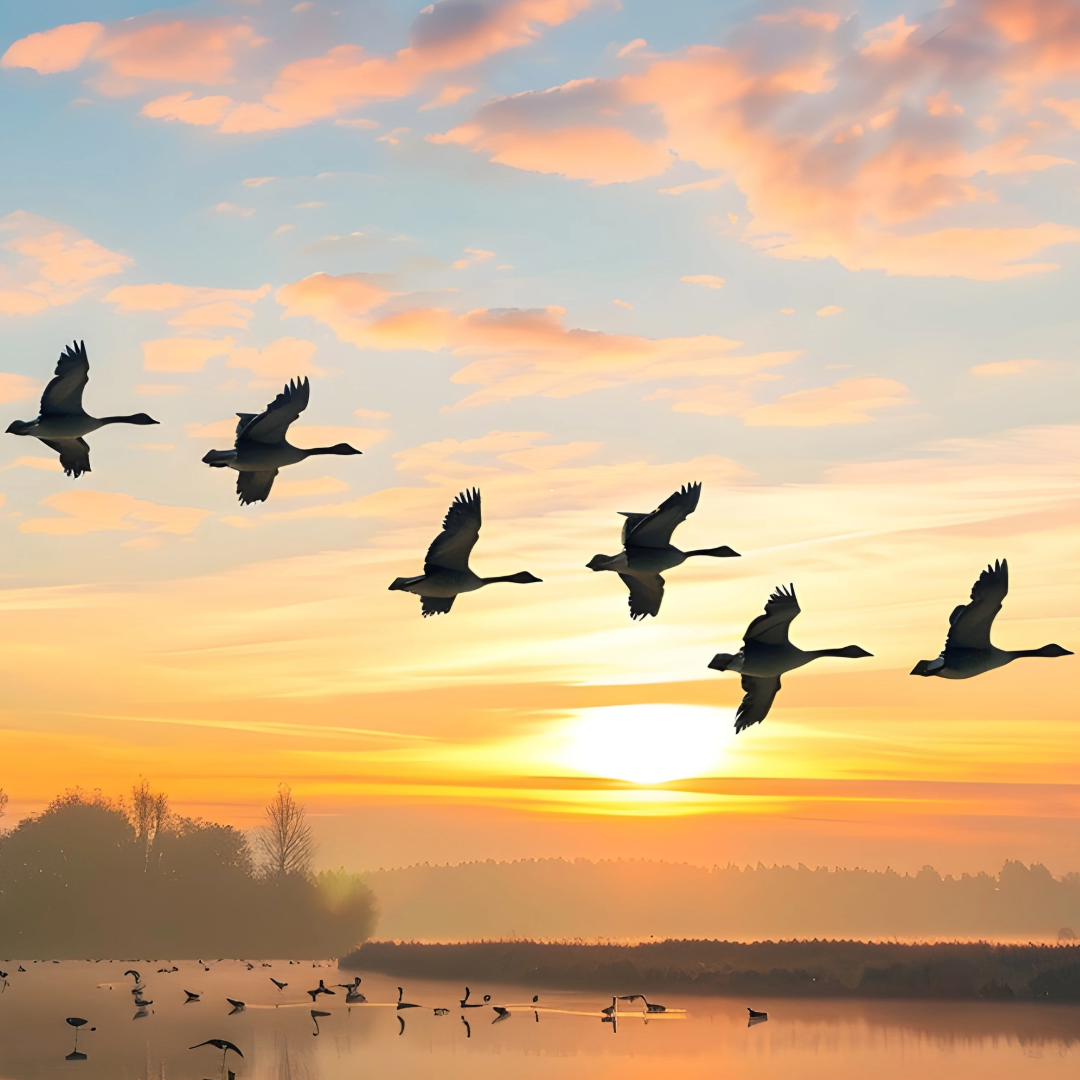
Wild ducks and geese are often surprising to people because, although they are birds, their meat is darker and richer than typical poultry. As migratory fliers, they constantly use their muscles, which creates red, iron-rich meat that cooks more like a steak than a chicken breast. Feeding naturally on grains, grasses, seeds, and aquatic plants, waterfowl provide clean, high-protein meat without added hormones or antibiotics. For our family, waterfowl is a flavorful and nourishing part of our table and a reminder that healthy food can come straight from the land and water around us.

Small Game (Squirrels and Rabbits)
Small game like squirrels and rabbits have long been traditional table fare and provide a surprisingly healthy source of lean protein. Because these animals live naturally and feed on nuts, seeds, grasses, and plants, the meat is low in fat while still rich in nutrients such as iron and B-vitamins that support energy and muscle health. Mild in flavor and versatile in the kitchen, small game offers a clean, natural food option that connects us to simple, old-fashioned cooking and responsible harvesting.
Let’s Get Cookin’
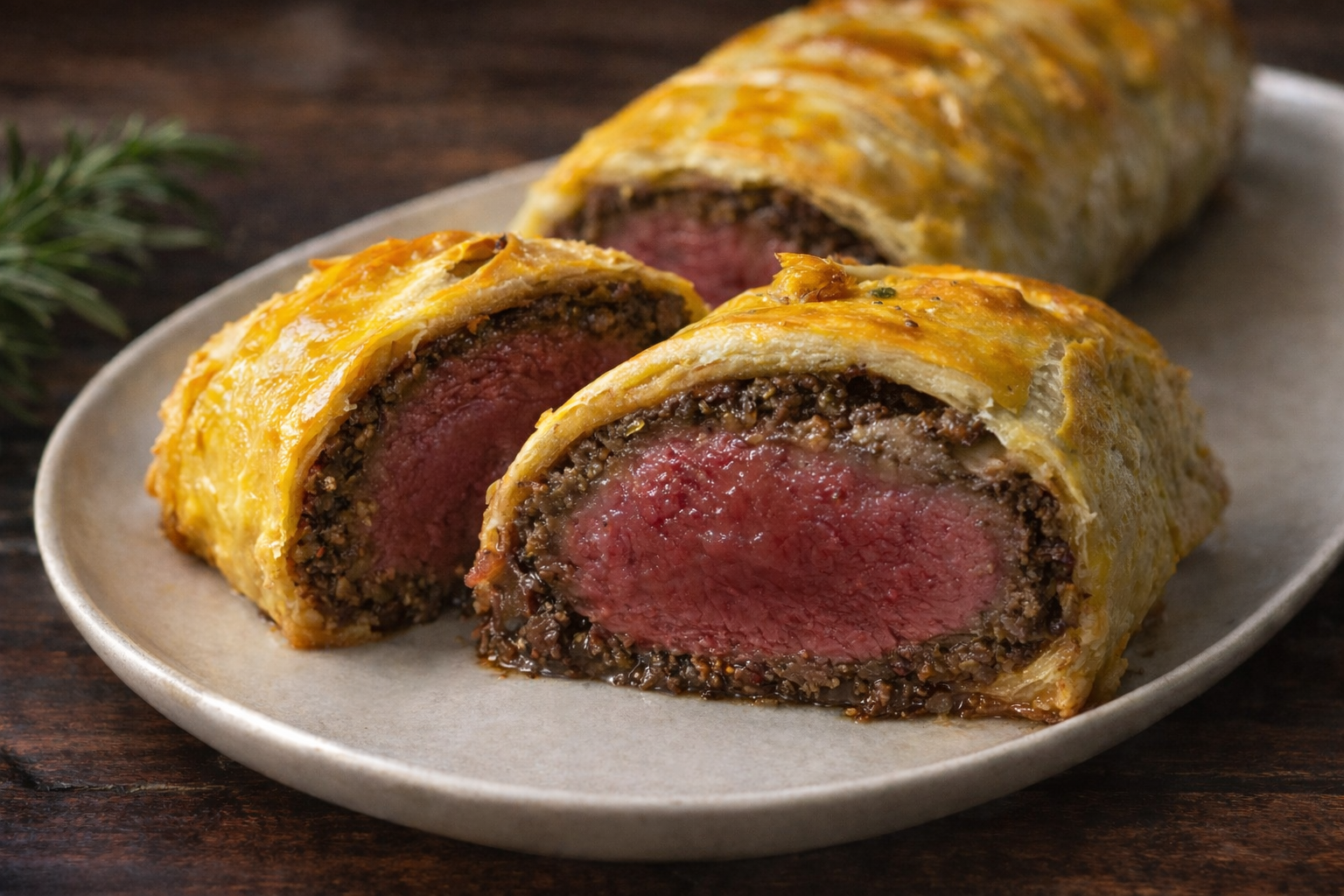
Looking for ideas? Check out the different meals we make with these meats and see how wild game can turn into everyday, family-friendly dishes.
Contact
(717) 314-6981